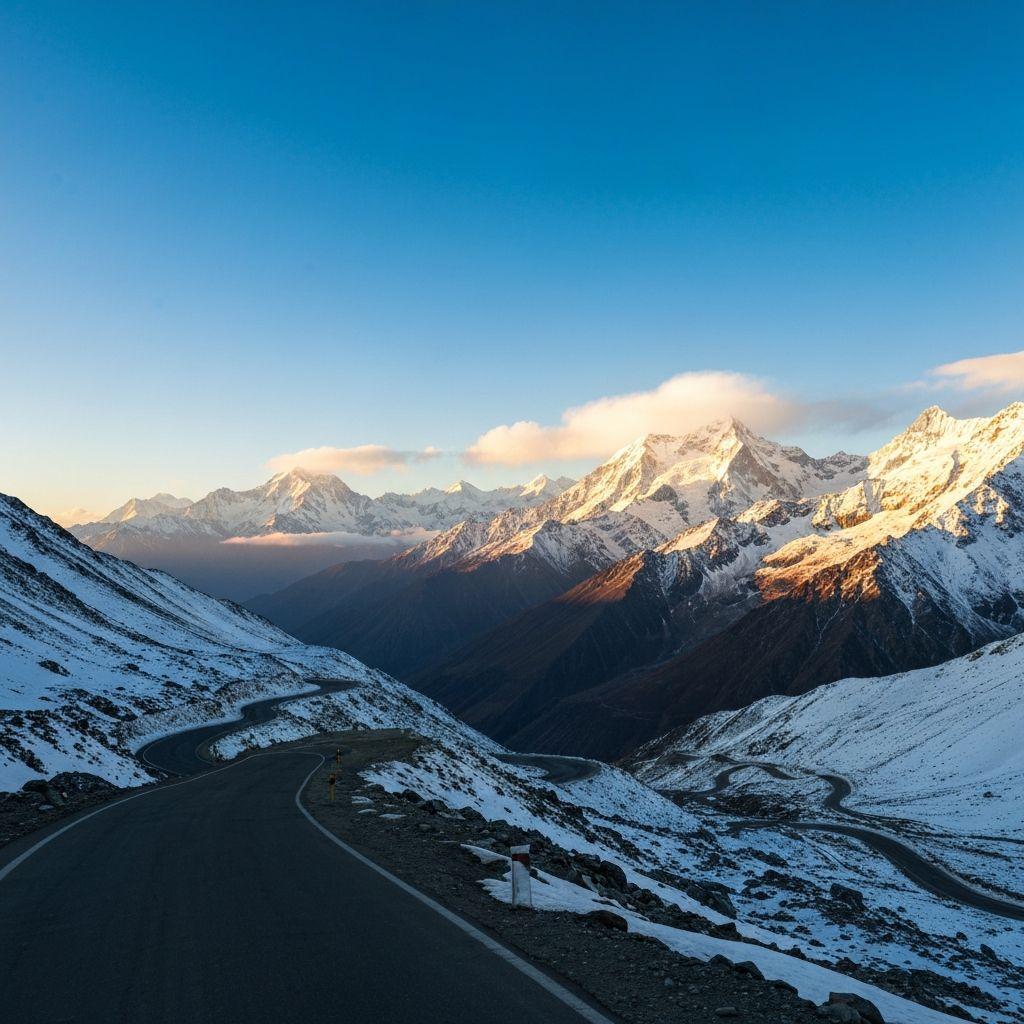
We left Kaza entirely before dawn, not because the itinerary demanded it, but because the cold made sleeping impossible anyway. The high desert strips you bare. Up here, every unnecessary thought freezes and cracks away.
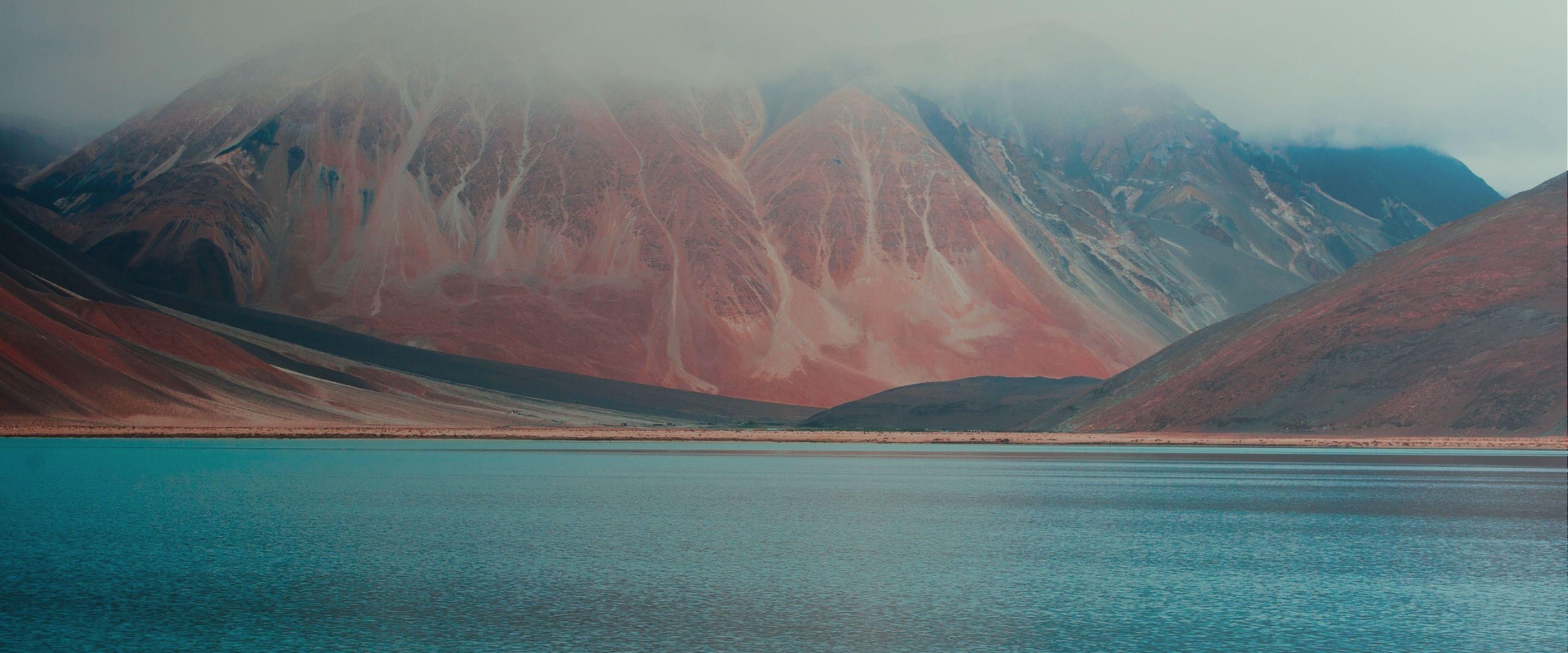
Entering the Spiti valley, the landscape resembles less a place on Earth and more a transmission from Mars. The silence is profound — not just an absence of noise, but a heavy, physical presence that presses against your eardrums.
In our connected lives, silence is terrifying. We construct elaborate mechanisms to avoid it: podcasts on the commute, music in the shower, notifications vibrating against our thighs. We are terrified of the void because the void forces us to look inward.
"The mountains do not care about your ambition, your schedule, or your anxiety. They simply exist, and in their presence, you must do the same."
But here, sitting beside the churning gray waters of the Spiti River, surrounded by thousand-foot cliffs of crumbling shale, the void is inescapable. At first, it induces a low-grade panic. You check for a signal (there is none). You reach for the radio (static). You look at your companions — they are staring at the ridgeline, silent.
And then, eventually, the panic breaks. The constant narrational hum in your mind finally burns out. It takes three days at altitude to reach this state. By day four, the silence stops being a void and starts being a medium — a clear, cold fluid in which every thought, observation, and movement becomes incredibly sharp.
This is exactly why we mandate no internet access. To hand you a connection to the outside world in the middle of Spiti would be to abort the very process you traveled here for. The silence is not a feature of the itinerary; it is the entire point.